

Ballast Water Treatment System (BWTS) Installation & Retrofit
Ballast water treatment systems installed and retrofitted on board by one team in Dubai: fabrication of the pipework and seatings, piping into the ship’s ballast system, and the complete electrical installation. We can supply the system as well.
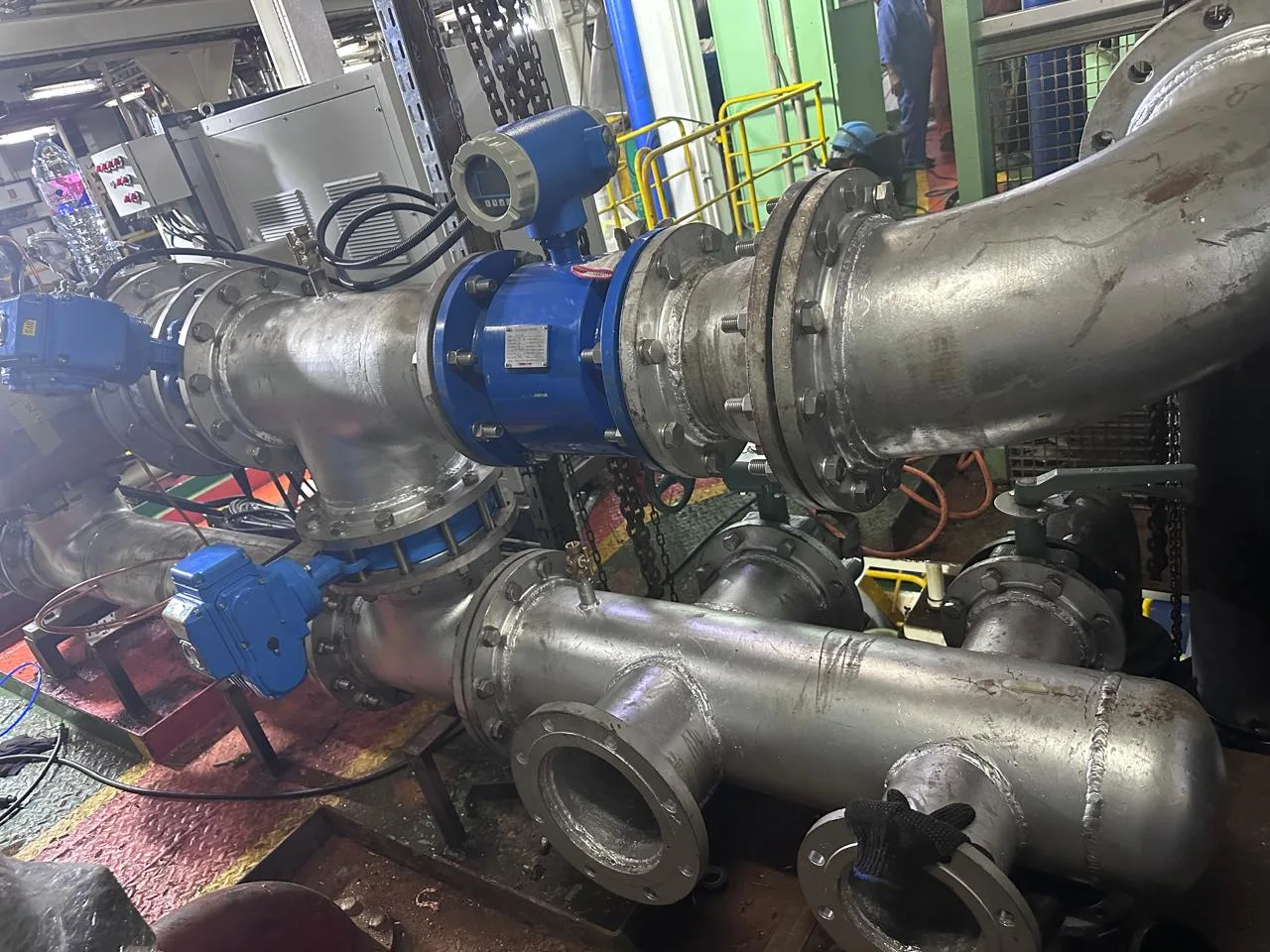
One team
Fabrication, piping & electrical
In-house
Spools, seatings & supports fabricated
Supply
System supplied on request
UAE
Dry dock or on-site
BWTS installation in Dubai
What a ballast water treatment system installation involves
A ballast water treatment system (BWTS) treats the seawater a ship carries as ballast, so that organisms taken on in one port are not released alive in another. Installing one means building it into the vessel’s existing ballast system: new pipework and valves, seatings for the equipment, and power and control cabling.
Anchor Marine Engineering carries out the whole installation with its own team: the fabrication, the piping and the complete electrical work. We work from our base at Al Jadaf Dry Dock, Dubai, and on board vessels across the UAE, as part of our ship repair and maintenance service.
If the vessel does not have a system yet, we can supply one as well, so one company is responsible for the equipment and the installation.
At a glance
- Service
- Ballast water treatment system (BWTS / BWMS) installation
- Our scope
- Fabrication, piping and complete electrical installation
- Supply
- Treatment system supplied on request
- Systems
- Including filtration and UV treatment systems
- Where
- Al Jadaf Dry Dock, Dubai, or on board across the UAE
- Part of
- Ship Repair & Maintenance
Installation scope
What our BWTS installation covers
Everything between the treatment equipment and the ship: the steelwork it stands on, the pipework it runs through and the electrics that power and control it.
- 01
Equipment seatings & supports
Seatings for the filter, the treatment unit and the panels, plus the pipe supports, fabricated and fitted on board.
- 02
Pipe spool fabrication
Spools, headers, branches and flanges fabricated by our team to the installation drawings.
- 03
Piping tie-in
New pipework connected into the ship’s existing ballast lines, including the bypass arrangement.
- 04
Valves, actuators & flow meter
Manual and electrically actuated valves and the flow meter fitted in the treatment line.
- 05
Power supply & cabling
Power cabling from the ship’s switchboard to the system, with cable routing on board.
- 06
Control & signal wiring
Control panels connected and wired to the valves, sensors and flow meter.
- 07
Checks before start-up
Pipework and electrical installation checked before the system is started.
- 08
System supply
The treatment system itself, supplied on request with the installation.
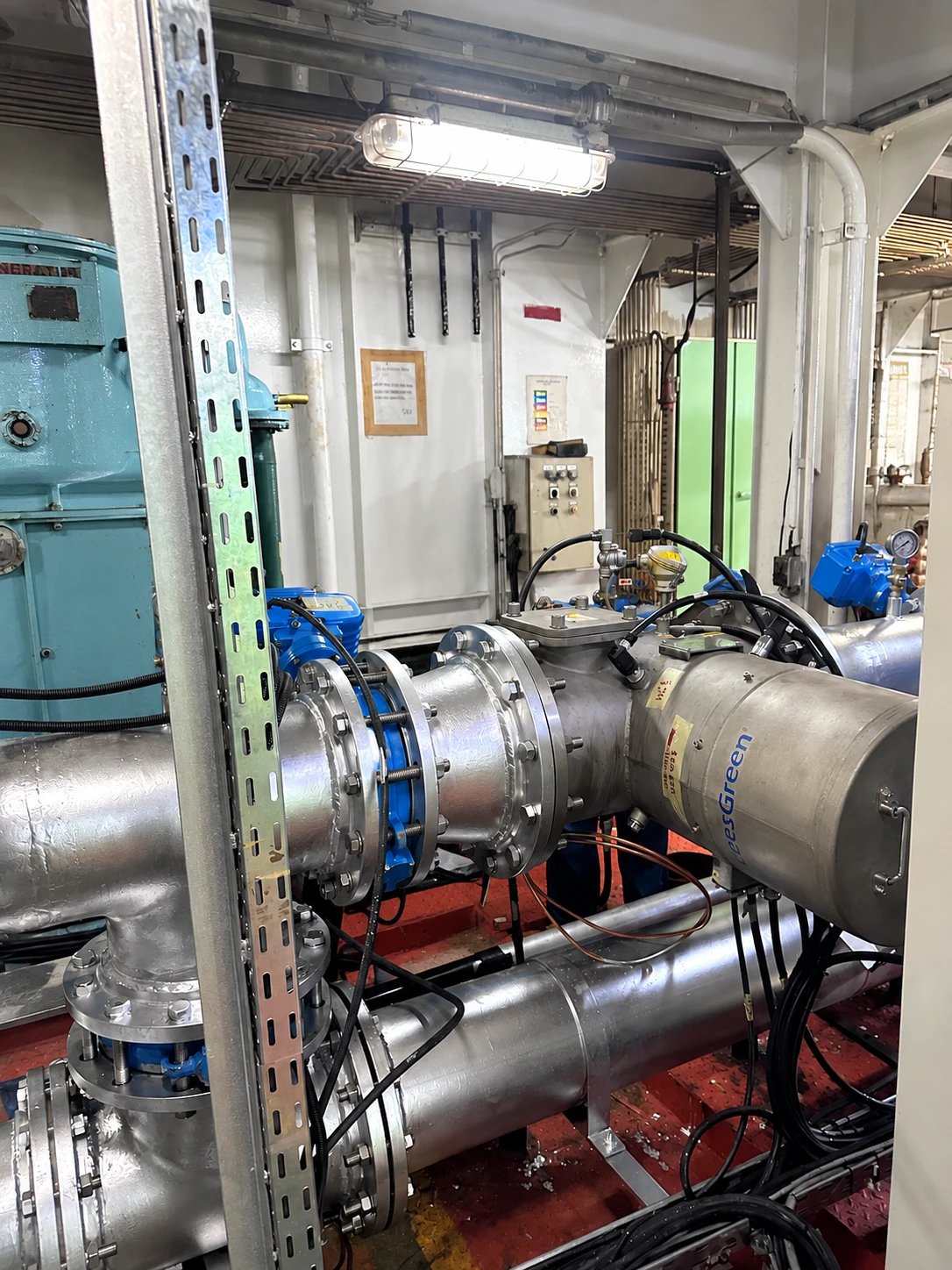
Fabrication · Piping · Electrical
One team from the workshop to the engine room
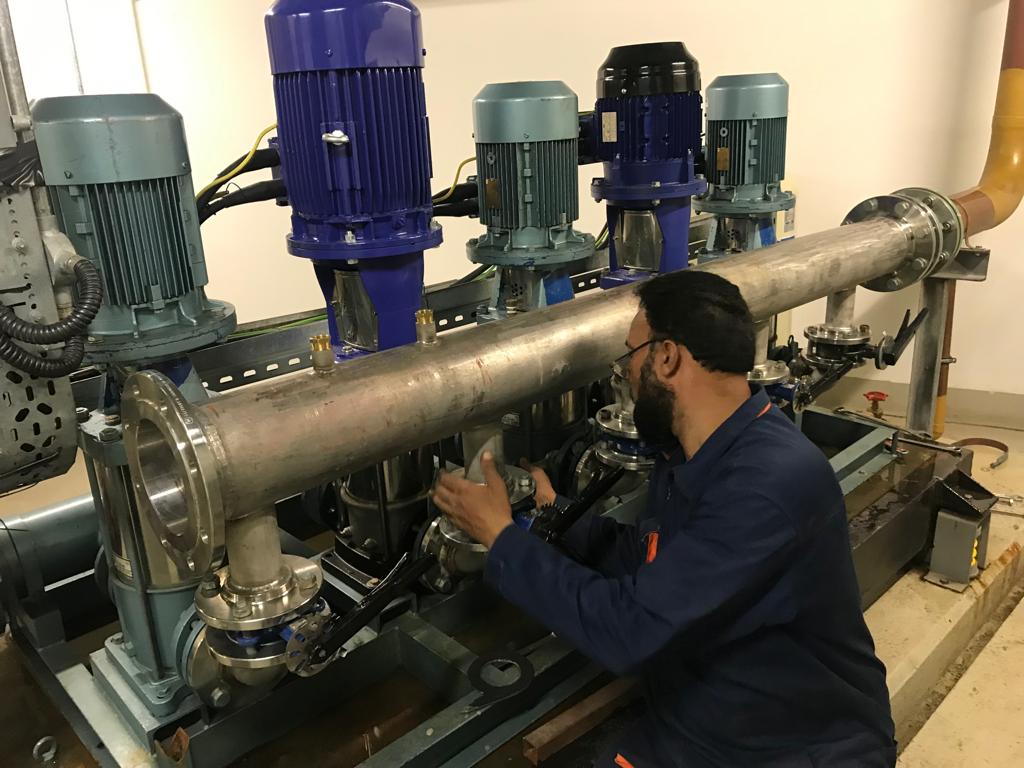
A BWTS retrofit usually needs a fabricator, a pipe fitter and an electrician. We bring all three, so the pipework, the seatings and the cabling are planned together and one company answers for the installation.
- Stainless steel pipework
- Seatings, supports & flanges
- Power & control cabling
- Panel connection
- Dry dock or on board
- Since 1995 at Al Jadaf
How it works
How a filtration and UV ballast water treatment system works
Filtration and UV is a common, chemical-free way to treat ballast water. Other systems use electrochlorination or chemical dosing; the installation work is similar.
Step 1
Filtration
As ballast water is pumped on board, it first passes through a filter.
- Automatic self-cleaning (backwash) filter
- Removes larger organisms and sediment
- Protects the UV stage downstream
Step 2
UV treatment
The filtered water then flows through a UV reactor before it reaches the ballast tanks.
- Ultraviolet lamps inside a closed reactor
- Damages the DNA of bacteria, algae and other organisms so they cannot reproduce
- No chemicals added to the water
- Water usually treated again when it is discharged
Install or supply
Installation only, or supply and installation
We focus on installation. If you are still choosing a system, we can supply it too.
Installation
You have the system, we install it
For owners who have already ordered a type-approved system and need it built into the vessel.
- Fabrication of spools, seatings and supports
- Piping tie-in to the ballast system
- Complete electrical installation
- Work to the approved installation drawings
- Dry dock or on board
Supply & installation
We supply the system and install it
For owners who want one company responsible for the equipment and the installation.
- Treatment system supplied
- Chosen to suit the ballast pump flow rate and the space on board
- Same installation scope as above
- One quote and one point of contact
Installation process
How a BWTS installation or retrofit is carried out
These are the usual stages of a ballast water treatment system retrofit, from the first enquiry to the system in service.
- 01
Enquiry & documents
System details, capacity, vessel information and any approved drawings sent to us for review.
- 02
Survey on board
Space, pipe routes, cable routes and tie-in points checked on the vessel.
- 03
Drawings & approval
Installation drawings approved by the vessel’s classification society before work starts.
- 04
Fabrication
Pipe spools, seatings and supports fabricated ready for installation.
- 05
Installation
Equipment set on its seatings, pipework tied in, cabling run and the panels connected.
- 06
Commissioning & survey
The system is started and tested, and the surveyor carries out the initial survey for the ship’s ballast water certificate.
BWTS installation cost
What affects the cost of a BWTS installation
There is no standard price for a ballast water treatment system installation. Each vessel is quoted on its own, from the system details and the work the ship needs. These are the main factors.
- Treatment capacity (m³/h)
- Type of treatment system
- Length of new pipework
- Length of cable runs
- Space in the engine room
- Dry dock or afloat
- Installation only or supply too
- Vessel location and dates
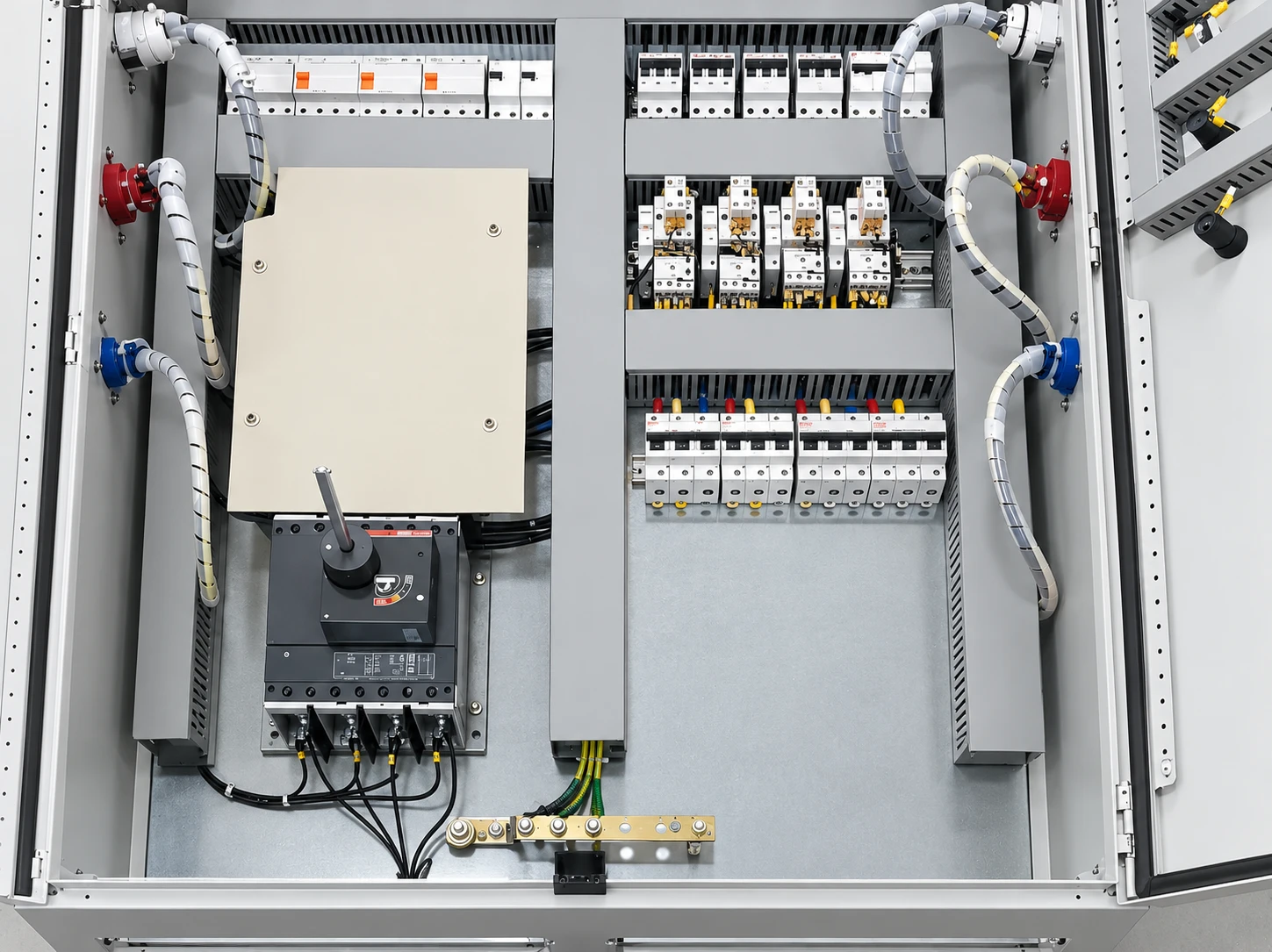
Installation work
BWTS installation photos


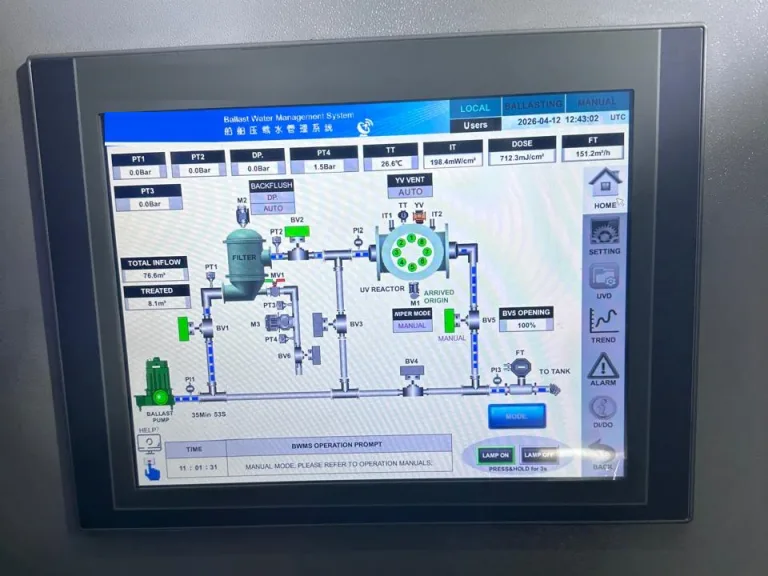
Scope
BWTS installation scope
What our team covers on a ballast water treatment system installation or retrofit.
| Part of the job | What we do |
|---|---|
| Fabrication | Equipment seatings and new pipe spools |
| Piping | Tie-in to the existing ballast lines, valves and the flow meter |
| Electrical | Power and control cabling and the system control panel |
| Checks | Checks before start-up |
| Supply | The ballast water treatment system itself, on request |
FAQ
BWTS installation and retrofit questions
Not covered here? Call +971 56 278 5002 or email info@anchormarineeng.ae.
What is a ballast water treatment system?
A ballast water treatment system (BWTS), also called a ballast water management system (BWMS), treats the seawater a ship takes on as ballast so that organisms picked up in one port are not discharged alive in another. It is fitted into the ship’s ballast system and treats the water as it is pumped in and, on many systems, again as it is pumped out.
What is a BWTS retrofit?
A BWTS retrofit is the installation of a ballast water treatment system on a ship that is already in service. It covers the equipment seatings, new pipe spools tied into the existing ballast lines, the valves and flow meter, power and control cabling, and checks before start-up, all planned around the vessel’s existing layout. We carry out BWTS retrofits in Dubai and across the UAE.
Which ships need a ballast water treatment system?
Ships covered by the IMO Ballast Water Management Convention, which entered into force on 8 September 2017, must meet the D-2 discharge standard. Existing ships were brought in at their IOPP renewal surveys, with the phase-in ending on 8 September 2024. In practice, ships that take on and discharge ballast water on international voyages need an approved treatment system.
What is the difference between the D-1 and D-2 standards?
D-1 is ballast water exchange: replacing at least 95% of the ballast water at sea. D-2 is a performance standard that limits the number of viable organisms in the discharged water, which in practice means treating the water with an approved system. D-2 has replaced D-1 for ships under the Convention.
How does a UV ballast water treatment system work?
Most UV systems work in two steps. An automatic self-cleaning filter first removes larger organisms and sediment as ballast water is taken on. The water then passes through a UV reactor, where ultraviolet lamps damage the DNA of the remaining bacteria, algae and other organisms so they cannot reproduce. No chemicals are added to the water.
What does your BWTS installation include?
The complete installation by our own team: fabrication of the pipe spools, headers, flanges, equipment seatings and supports; piping tie-in to the ship’s ballast system, with the valves, actuators and flow meter; and the complete electrical installation, from power supply and cabling to control wiring and connection of the system’s panels.
Can you supply the ballast water treatment system as well?
Yes. If you have not bought a system yet, we can supply it as well as install it, so one company is responsible for the equipment and the installation. If you already have a system, we install it.
How much does a BWTS installation cost?
Every installation is quoted on its own. The price depends on the system’s treatment capacity and type, how much new pipework and cabling the vessel needs, the space in the engine room, whether the work is done in dry dock or afloat, and whether we supply the system as well. Send the vessel and system details and we will quote the job.
How long does a BWTS installation take?
The overall project, from choosing the system to drawings, approval and delivery, usually takes a few months. The installation on board is a shorter part of it and depends on the amount of pipework, fabrication and cabling. We give a programme with the quote.
Can a BWTS be installed on an older ship with little space?
Often, yes. Compact and modular systems are made for retrofits, and the pipework and seatings are fabricated to suit the space available. We check the space, pipe routes and cable routes on board before we quote.
What do you need to quote a BWTS installation?
The system maker and model if one has been chosen, the treatment capacity or ballast pump flow rate in m³/h, the vessel type and size, approved installation drawings if you have them, photos of the engine room space, and where and when the vessel will be available.
How does a ballast water treatment system work?
A BWTS system on a ship treats ballast water so organisms are not carried between ports. In a filtration and UV system, the water is filtered as it is taken on board to remove larger organisms and sediment, then passed through UV reactors. On discharge it is treated again where the system requires it. The system runs from its own control panel and is tied into the ship’s ballast pumps and valves.
Related services
Work that often goes with this service
A BWTS installation draws on several of our trades. These services often go with it.
- 01
Ship Repair & Maintenance
Engine, generator and pump overhauls, electrical and structural repairs for vessels. - 02
Fabrication & Piping
Stainless steel piping, tanks and steel structures, fabricated and installed. - 03
Switchgear & Control Panels
Marine control panels built in-house and installed on board. - 04
Pump Overhaul & Repair
Ballast, bilge and fuel pumps overhauled and pressure tested. - All marine & industrial services
Request a quote
Planning a BWTS installation?
Send the system and vessel details and we will come back with a quote for the installation, or for supply and installation.
What to send us
- System maker and model, if chosen
- Treatment capacity or ballast pump flow (m³/h)
- Vessel type and size
- Approved installation drawings, if available
- Photos of the engine room space
- Where and when the vessel is available